
Master the Basics of Personal Budgeting
- Lilypad Learning
- Sep 15
- 4 min read

Managing money can feel overwhelming at first. But once you get the hang of it, budgeting becomes a powerful tool to help you reach your goals. Whether you want to save for a trip, pay off debt, or just feel more in control of your finances, learning how to budget is the first step. In this guide, I’ll walk you through the essentials of budgeting for individuals. Together, we’ll break down the process into simple, manageable steps that anyone can follow.
Why Budgeting for Individuals Guide Matters
Budgeting is not just about restricting yourself. It’s about understanding where your money goes and making choices that align with your priorities. When you create a budget, you gain clarity. You see your income, your expenses, and how much you can save or spend freely. This clarity reduces stress and builds confidence.
For example, imagine you earn $2,500 a month. Without a budget, it’s easy to lose track of spending and wonder where your money went. But with a budget, you allocate specific amounts for rent, groceries, entertainment, and savings. You know exactly how much you have left and can avoid surprises.
Budgeting also helps you prepare for emergencies. Life is unpredictable, and having a financial cushion can make all the difference. By setting aside a small amount each month, you build a safety net that protects you from unexpected costs.

Creating a clear budget plan helps track income and expenses effectively.
How to Start Your Budgeting for Individuals Guide
Starting a budget might seem tricky, but it’s easier than you think. Here’s a step-by-step approach to get you going:
Calculate Your Income
Add up all sources of income you receive regularly. This includes your job, side gigs, or any other money coming in.
List Your Expenses
Write down everything you spend money on. Break it into fixed expenses (like rent or phone bills) and variable expenses (like eating out or entertainment).
Set Spending Limits
Decide how much you want to spend in each category. Be realistic but also challenge yourself to cut back where you can.
Track Your Spending
Use a notebook, spreadsheet, or budgeting app to record your expenses daily or weekly. This helps you stay on track.
Review and Adjust
At the end of each month, review your budget. See where you did well and where you can improve. Adjust your limits as needed.
For example, if you notice you spend too much on coffee, try making it at home more often. Small changes add up over time.
Remember, budgeting is a skill you develop. It’s okay to make mistakes and learn from them. The key is to keep going and stay committed.
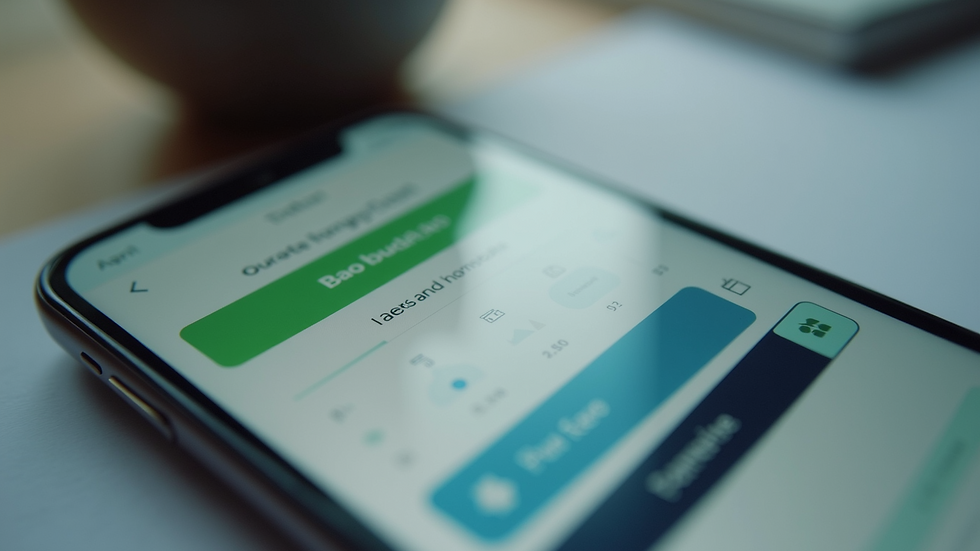
Tracking expenses with a budgeting app makes managing money easier and more accurate.
Tools and Tips to Make Budgeting Easier
You don’t have to do this alone or with just pen and paper. Many tools and strategies can help you stick to your budget:
Budgeting Apps
Apps like Mint, YNAB (You Need A Budget), or even simple spreadsheets can automate tracking and give you insights.
Envelope System
This old-school method involves dividing cash into envelopes for different spending categories. When an envelope is empty, you stop spending in that category.
Automate Savings
Set up automatic transfers to your savings account right after payday. This way, you pay yourself first and avoid the temptation to spend.
Set Clear Goals
Whether it’s saving for a laptop or paying off a credit card, having a goal keeps you motivated.
Use the 50/30/20 Rule
Allocate 50% of your income to needs, 30% to wants, and 20% to savings or debt repayment. This simple rule helps balance your spending.
For example, if you earn $3,000 a month, $1,500 goes to essentials like rent and groceries, $900 to fun stuff, and $600 to savings or paying off debt.
By using these tools and tips, budgeting becomes less of a chore and more of a habit.
Creating a comfortable workspace encourages regular budgeting and financial review.
Understanding the Importance of Emergency Funds
One of the most important parts of budgeting is building an emergency fund. This fund acts as a financial safety net for unexpected expenses like car repairs, medical bills, or sudden job loss.
Start small. Aim to save $500 to $1,000 initially. Once you reach that, work towards saving three to six months’ worth of living expenses. This might sound like a lot, but even saving $50 a month adds up over time.
Having an emergency fund means you won’t have to rely on credit cards or loans when life throws a curveball. It gives you peace of mind and financial stability.
To build your emergency fund faster, consider:
Cutting back on non-essential spending temporarily
Selling items you no longer need
Picking up extra work or side gigs
Remember, the goal is progress, not perfection. Every dollar saved is a step closer to financial security.
Staying Motivated and Making Budgeting a Lifestyle
Budgeting is not a one-time task. It’s a lifestyle change that requires ongoing effort. Here are some ways to stay motivated:
Celebrate Small Wins
Did you save $100 this month? Treat yourself with something small and meaningful.
Join a Community
Connect with others who are learning about money. Sharing tips and challenges makes the journey easier.
Keep Learning
Financial literacy is a lifelong journey. Read books, listen to podcasts, or follow trusted blogs.
Visualize Your Goals
Create a vision board or write down why you want to budget. Seeing your goals daily keeps you focused.
Be Kind to Yourself
Everyone slips up sometimes. Don’t get discouraged. Learn from mistakes and keep moving forward.
By making budgeting part of your daily routine, you build habits that lead to financial independence and confidence.
Taking the Next Step Toward Financial Confidence
Now that you understand the basics of budgeting for individuals, it’s time to take action. Start by creating your first budget today. Use the tools and tips shared here to make the process easier. Remember, budgeting is about making your money work for you, not the other way around.
Keep your goals in sight and be patient with yourself. Financial confidence grows over time, and every step you take brings you closer to independence. You have the power to shape your financial future, one budget at a time.
Stay curious, stay committed, and watch your financial confidence soar.

Comments